
What Causes Those Black Stains on Cedar Decks and Fences?
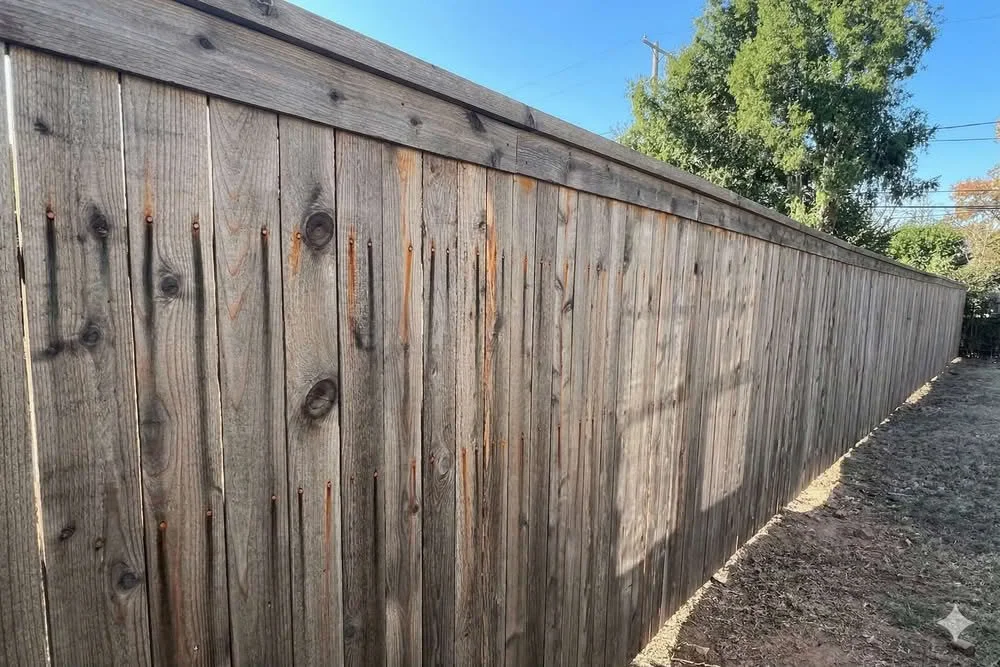
Black Staining on a Cedar Fence
In the Pacific Northwest, cedar is one of the most common materials used for fences, trim, and outdoor structures. It’s locally available, naturally durable, and it has a beautiful warm color that looks good left raw or when treated with a stain.
But over time, when unprotected, many cedar fences and railings develop dark black stains around nails and screws, often seen as dark streaks running down the wood.
Homeowners sometimes assume the staining is mold or mildew, especially in our damp climate. The culprit in most cases, however though is something different: a chemical reaction between cedar tannins and certain metals.
The Real Cause: Cedar Tannins and Metal
Cedar contains natural compounds called tannins, chemicals responsible for part of cedar’s natural rot resistance. When the wood gets wet, these tannins can react with certain metals, especially steel and zinc, creating dark blue or black discoloration in the wood.
Because many exterior fasteners such as galvanized nails or screws, the reaction usually shows up around nail heads or screws where the metal touches the wood.
Tannins are water-soluble, so moisture helps trigger the reaction, allowing tannins to react with metal in the fasteners. This is why the staining often takes several months to appear, especially if the cedar was installed during dry weather.
In the Pacific Northwest, regular rain and humidity can make the staining show up sooner than it might in drier climates.
Where the Staining Usually Appears
The discoloration typically shows up:
around nail or screw heads
as dark streaks running downward from fasteners
near metal hardware attached to the wood
Cedar fences are one of the most common places this happens. Cedar deck railings and privacy walls are another area where homeowners tend to notice it more easily because those surfaces are highly visible.
The Role of Galvanized Fasteners
Many contractors use hot-dipped galvanized fasteners with cedar. These fasteners have a thick zinc coating that protects the steel from corrosion.
From a structural standpoint, hot-dipped galvanized fasteners are generally acceptable for cedar and will often last about as long as the wood itself.
However, the zinc coating can still react with cedar’s tannins, which may cause dark staining around fasteners over time. For many projects this is mostly an aesthetic issue, but it can be noticeable on visible elements like fences and railings.
Fasteners That Cause Faster Problems
A bigger issue happens when bright, electroplated, or otherwise interior-grade fasteners are used outdoors.
This finish is common in finish nails or brad nails, and they have only a thin coating and can start corroding fairly quickly outside. Once the coating wears away, the steel underneath can rust and create reddish-brown streaking in addition to dark staining.
Some contractors use these smaller nails because they leave smaller holes in cedar. The downside is they usually don’t hold up well long-term in exterior cedar work.
Other Situations That Can Cause Staining
Fasteners are the most common cause of cedar staining, but metal debris can create the same reaction.
For example, steel shavings from installing steel railings can stain cedar decking if they aren’t cleaned off before the wood gets wet. Using steel wool for surface prep on cedar materials is also ill advised if you want to avoid staining.
When moisture reaches the wood, the steel particles can react with the cedar tannins and leave dark stains.
Can the Stains Be Removed?
In many cases the stains can be lightened or removed with a cleaner designed for iron or tannin stains.
These products are often sold as:
wood brighteners
deck brighteners
oxalic-acid cleaners
They’re applied to the wood, allowed to sit briefly, and then rinsed off. This can often improve the appearance, though deep or older stains may not disappear completely.
If the same fasteners remain in place, the staining will likely return.
The Best Way to Prevent It
The most reliable way to prevent cedar staining is to use stainless steel fasteners and hardware.
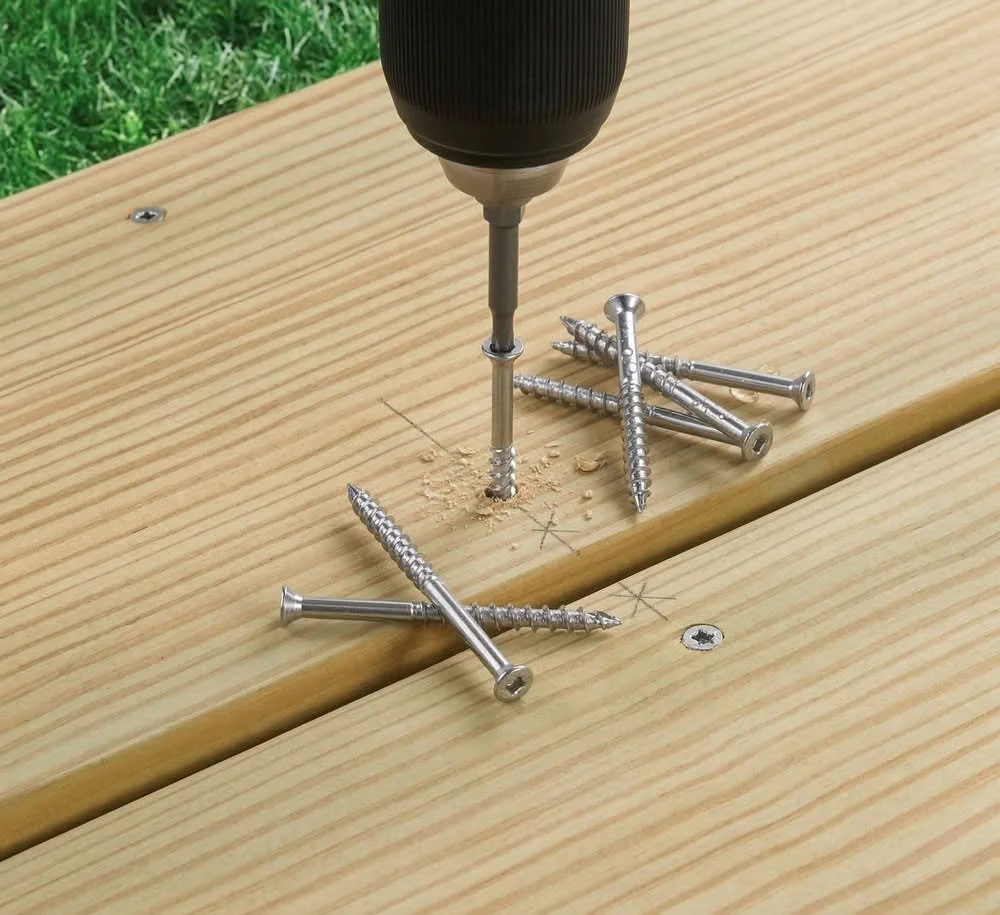
Stainless steel doesn’t react with cedar tannins the way steel and zinc can, making it a better long-term choice for visible cedar installations.
For most exterior cedar work:
304 stainless steel fasteners are recommended.
Near saltwater or coastal environments:
316 stainless steel provides additional corrosion resistance.
Final Thoughts
Black staining on cedar fences, trim, and railings is usually not mold or mildew, especially if it’s concentrated around nails or hardware. Most of the time it’s the result of cedar tannins reacting with certain metals, especially steel and zinc.
Because the reaction requires moisture, the stains often appear months after installation.
Choosing the right fasteners from the start can help prevent the issue and keep cedar looking clean and natural for many years.
For this reason, whenever we build with cedar in exposed outdoor settings, stainless steel fasteners are our go-to choice.
